

This time, like many others, I was filled with excitement and looked forward to seeing the people and places that were an intricate part of my childhood. Each time I went back, I noticed the town had changed in some ways since the last time I had visited. Some of the streets were paved and some buildings had been renovated while others had completely disappeared. In each trip the town looked and felt different. This time I realized that it wasn’t just the town that had changed; I had also evolved. In some ways I felt like I no longer fit in or belonged there, but there were also bonds that would last forever.
When we arrived, Alexandra and I went straight to the house where I was born. It was the house my parents had built many years before I was born and where my older siblings grew up. I remembered one of the joys for me and my friends was to play soccer, baseball, or just use our toy trucks to dig holes in the dirt of the unpaved streets in the neighborhood. Our streets were still full of rocks and dirt. The spot under the trees where we played soccer and dug holes with our toy trucks looked the same. The house down the street was still there. I remembered that during my childhood an older man lived there by himself. One day he was found dead. I overheard my father and others say he had been strangled. From that day on I saw that house as a dark and haunted place.
When I was growing up only three streets in the entire town were paved. The boulevard, or bulevar to us, which split the town down the middle and was the international road that connected us to the north and south of Mexico. The other two were streets that led to towns to the east and west of us. The number of paved streets, though, seemed to multiply with every visit. The year I traveled there with the rest of the family to bury my father, I noticed that the streets around the cemetery had been paved. This time when I walked around with my niece a few others had transformed from dusty unpaved streets full of stones to ones covered in black asphalt that shone and burned under the hot sun. I guess it was a necessity. In addition to the commercial vehicles and buses that had always gone through, there were a lot more people in town who owned cars, motorcycles etc. I did not see people riding horses or herding cows through some of these streets as I had seen so many times in my childhood.
The places that held a special place in my memory and heart had undergone changes as well. Some were still there serving the same function, but others had transformed into something else. One day Alexandra and I were walking home after visiting my cousins. We walked by the elementary school that seemed like a magical place to me when I was five and saw my sister and older kids going there. At that time, I had not been inside and wondered what it was like. Then after kindergarten, I finally saw what it was like inside. I felt like a big kid now that I was one of the students there. That was the place where my first-grade teacher, Ms. Valdez, taught us the sounds of the letters, then syllables and eventually leading to us being able to read sentences and paragraphs.
It was the place where I played games at recess with childhood friends who still live there and whom I see every time I visit. While the building is still there, it definitely looked different when I was a student. The small wall around it had been replaced by an iron fence. The space in front of the school where a little cart sold fruit and candy after school was now taken up by parked cars. And while the building may have looked different, the memories of friends, teachers, Independence Day festivals and performances remained.
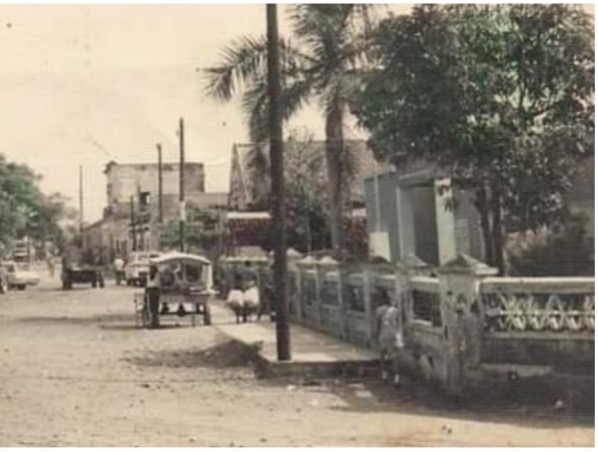
Escuela Sixto Osuna, 1970s
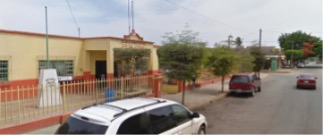
Escuela Sixto Osuna, 2014
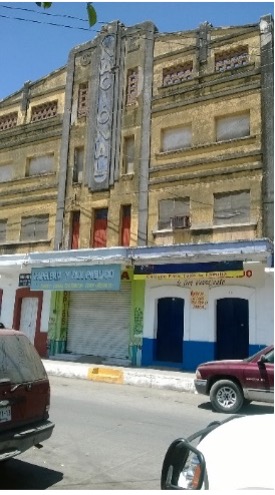
We walked across the street, and I showed Alexandra the building where the only movie theater in town was located. For many years people went there to see old movies with stars like Pedro Infante as well as the films of the day from Mexico and the U. S. For me and my friends it was the place where we watched action movies and imagined we were like the Mexican wrestler El Santo battling mortal enemies. I couldn’t think of the time when it shut down. I think it may have been in the late 1980’s or early 1990’s when videos became popular, and many people were able to watch movies at home using their VCRs. What Alexandra and I saw was an empty building and the front entrance taken up by commercial spaces. It was no longer a place where people came to watch a movie with their date, see one of Cantiflas’ comedies to make them laugh and get away from their daily routine for one day, get scared by an old horror film or watch their heroes like Bruce Lee and Santo defeat their enemy.
Before I knew it the week had gone by, and it was Viernes santo. It seemed appropriate to spend Good Friday visiting the cemetery. Easter Sunday would be our last day there and we wanted to visit the grave of our loved ones. As we walked across the crowded noisy boulevard with an endless line of cars coming from north and south, we waved goodbye to cousins and friends who were tending their businesses. On the way back we would spend whatever was left of the day with them chatting and eating. Along the way we saw and smelled every kind of food imaginable- carnitas and carne asada from the taco carts on either side of the road, fish and sea food coming from the most popular sea food restaurant in town. As we approached the cemetery, the smell of food was overpowered by the smell of gladiolas. Once we walked past the old, rusted gate we were able to see the grave about twenty feet away. Even before I got there, I could hear my mom’s voice in my head saying, “Ay, cabrón, hasta que te dieron ganas de venir,” chastising me for staying away for so long. In 2011, when my mother passed away, it was decided at the last minute that she would be buried in Mexico. I wasn’t able to go at the time, so I had not visited her grave until this trip.
“Ya me regañó tu abuelita porque no la había venido a visitar,” I said turning to Alexandra.
“That sounds like abuelita” she said laughing. “I remember when we came to bury abuelito. I was so surprised to see all those people there. I didn’t expect to see so many.”
“I know” I answered. “It was Christmas Eve, so I don’t think any of us expected many people to show up.”
“I bet abuelito was happy though. He always enjoyed having many people around.”
“Yes, that’s true. He probably was. And now they are all together,” I said referring to the loved ones who were buried there. The cemetery hadn’t changed much since the grave was built after my mom’s mother passed away. I was five at the time and I remember going to visit her grave several times a year every year after that until I moved to the U. S. We would visit on day of the dead, Mother’s Day, on my abuelita’s birthday, the anniversary of her passing, etc. Now I was there to visit both grandmothers, my mother, my father, and an uncle who was buried there as well. While we washed, cleaned the area around and put flowers in the vases, I thought of the many people who were part of my childhood and were now buried there. It brought to mind my father’s desire to be buried there because he knew everyone and would have people around to talk to. I imagined a scene like in Juan Rulfo’s novel, Pedro Páramo with my father, mother and others talking to each other.
“¿Ya viste, Luis? Pavimentaron la calle que pasa por donde estaba el correo,” my father would say.
“Sí, por fin estos políticos ladrones usaron el dinero del pueblo para algo bueno,” tío Luis would answer.
“A ver cuándo pavimentan la calle de nosotros, compadre Salva,” comadre Chava would chime in.
“Ojalá que pronto” my dad would answer back.
“Ay, sí ojalá porque es un enfado ese charcote que se hace ahí en la esquina de la casa,” my mom would comment.
As soon as we walked out, we were once again in the middle of busy streets, honking cars and the sound of banda music coming from the various businesses around. After spending the rest of the day visiting my uncles and cousins, we headed home to get ready for our trip back on Easter Sunday. Our trip came to an end too soon, as usual. There wasn’t a chance to see everyone I had planned to visit. But I knew I would be back. No matter how long it was between visits, they always provided the opportunity to revisit old memories and create new ones. This time was no different.
I saw my old school, spent time with my cousins, visited the cemetery but also walked around the Plazuela after Alexandra visited an internet café and used the computer there to process confirmation of our flight back. We also spent time in Mazatlán with my cousins and their children. We walked down the crowded Malecón (boardwalk) and watched the sunset while people on skates, or bicycles whizzed past us. On the flight back we looked at some of the pictures we took. I was looking at the ones we took in the cemetery when I thought of a character in Garcia Marquez’s One Hundred Years of Solitude who says, “A person does not belong to a place until there is someone dead under the ground.” It doesn’t matter how much the town and I have changed or whether I feel like I don’t fit in, I will always belong, I thought.
 On The Edge
Leave a comment